
| Key Points | Details to Remember |
|---|---|
| 🔍 Definition | Secure tunnel between the user and the Internet |
| 💡 Benefits | Free access to geo-restricted content |
| ⚠️ Limitations | Bandwidth often throttled and logs retained |
| 💰 Real cost | User data likely monetized |
| 🔐 Security | Encryption sometimes outdated or absent |
| ✅ Alternatives | Paid solutions or specialized proxies |
In 2025, millions of internet users try free VPNs to preserve their anonymity and bypass geographic blocks without opening their wallets. While on paper they offer encryption and unlimited access, in practice performance and protection often prove to be mixed.
Somaire
The Temptation of Free
The idea of a service without a bill or subscription naturally appeals. Like an all-you-can-eat buffet, the free VPN promises to mask your IP address and lift content blockers. However, such a model raises a question: who is funding this feast?
Business Model and Trade-offs
Unlike paid offers that rely on subscriptions, free VPNs must monetize their infrastructure and teams differently. Several methods emerge:
- Data monetization: discreet collection of your browsing history.
- Intrusive advertising: insertion of video or pop-up ads.
- Speed limitation: periodic slowdowns to encourage upgrading to the premium version.
- Redirection to third-party services, sometimes dubious, to make extra money.
In the absence of a transparent policy, the user often bears a compromise between speed, security, and privacy.
Unforeseen Risks
The promise of confidentiality can turn into a nightmare if the free VPN logs your activity or sells your profile to advertisers. Several investigations show that some providers even share information with governments or data resellers.
« I discovered that my free VPN stored my daily IP addresses, then sold them to targeted advertising brokers. » – Testimony of a disappointed internet user
Among the most frequently cited dangers:
- Technical vulnerabilities: obsolete protocols exposing to man-in-the-middle attacks.
- DNS leaks or WebRTC revealing your real address.
- Lack of independent audit, unlike paid providers who publish regular reports.
- Platform blocking: Netflix, Amazon Prime, and certain sports channels massively detect and block VPN addresses.
Alternatives for browsing in peace
Rather than relying on a free service that controls your data, you can turn to affordable alternatives. Proxies, virtual mirrors, or low-cost VPNs can offer a better trust/cost ratio.
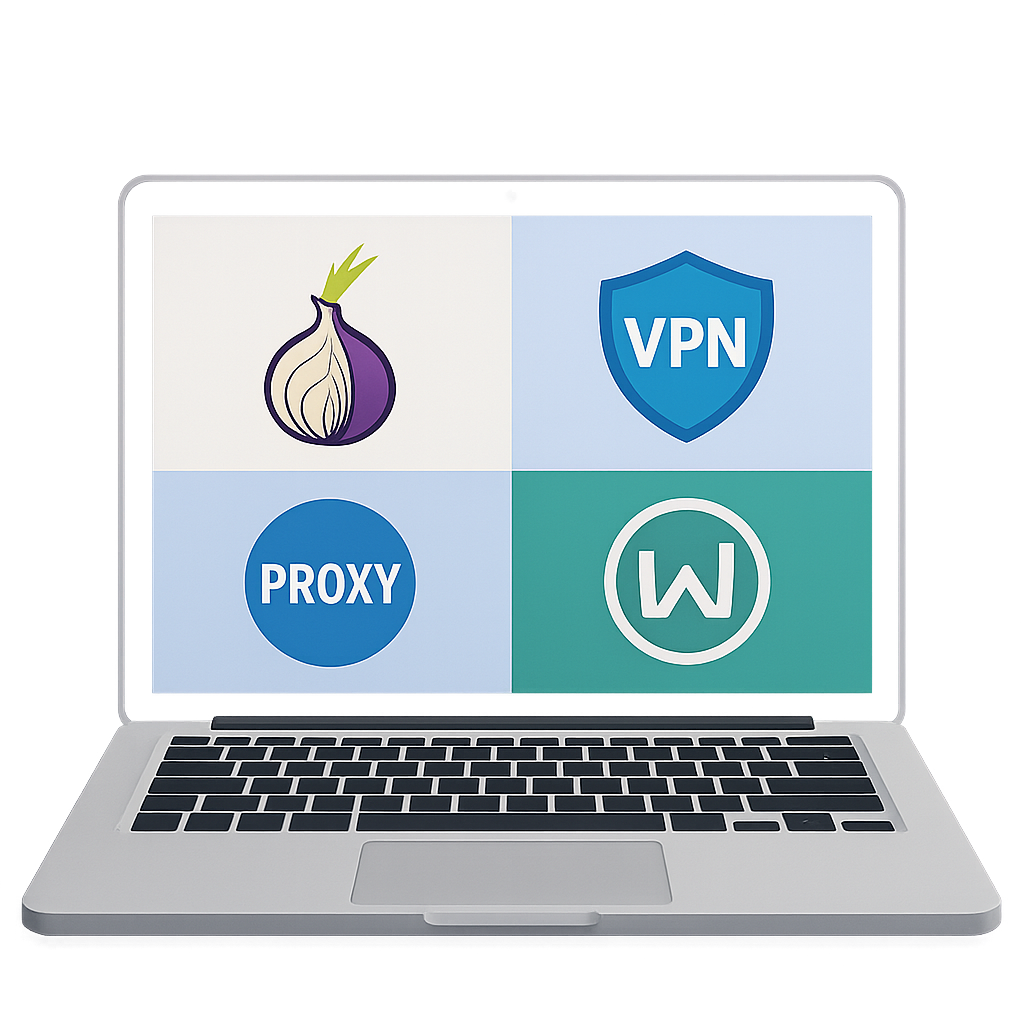
Several options stand out:
- Free proxy services remain a lightweight intermediary, but with variable reliability.
- You can compare virtual mirrors, useful for occasional uses without high security requirements.
- Proxy tools for Windows offer granular control over redirected applications.
- Among professional solutions, players like Naproxy choose transparency and speed.
- For intensive or marketing uses, dedicated private browsing extensions offer complete session isolation.
Criteria for making an informed choice
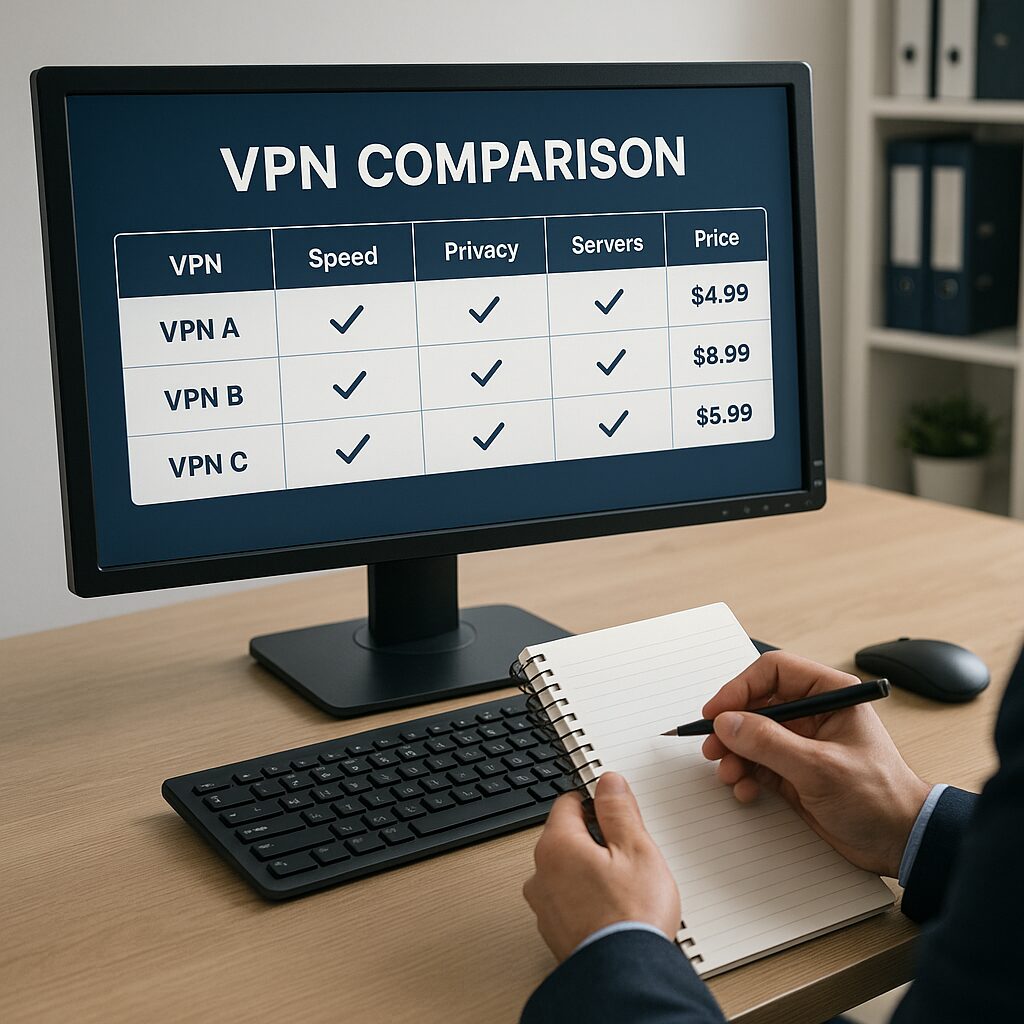
Here are some points to consider before clicking on « Connect »:
- Jurisdiction: choose a country outside the Five Eyes alliances or equivalents.
- Logging policy: favor providers with certified “no-log” policies by an external audit.
- Supported protocols: WireGuard or OpenVPN for a good balance between speed and security.
- Performance: test upload and download speeds, ideally with servers close to your location.
- Customer support: an online chat or detailed documentation indicates long-term seriousness.
FAQ
1. Do free VPNs collect my personal data?
Often yes, to compensate for the lack of subscription. They may store your browsing history or even sell your data to third parties.
2. Can you really access Netflix with a free VPN?
Most free VPNs are quickly detected and end up blocked. The few that bypass the block severely limit bandwidth.
3. What is the difference between a paid VPN and a free proxy?
The VPN encrypts all your traffic, while the proxy only masks certain application connections, without full encryption.
4. Is an open-source VPN more reliable?
Code transparency is reassuring, but security also depends on the team managing updates and infrastructure.
5. How to test the reliability of a free VPN?
Check for the absence of DNS/WebRTC leaks using online tools and measure speeds on multiple servers.
6. Which protocols to prioritize in 2025?
WireGuard for its performance and OpenVPN for its proven robustness.