
Did you come across a gem of content? An in-depth article, an original tutorial, a family recipe? Rather than letting it disappear into the endless flow of the web, you can archive it. That’s where Archivebate comes in, a tool designed to freeze a web page in just a few clicks. In this guide, I reveal everything: from installation to best practices, including tips for organizing your digital library.
🔖 Archivebate transforms a dynamic web page into a static file viewable offline, without losing layout or embedded media.
⚙️ In just a few minutes, you install and configure the extension or the online tool; the interface remains streamlined for immediate access to capture.
🔍 Thanks to a system of tags and filters, each archive becomes easy to find, even months later.
🛠️ Advanced features (scheduled archives, API integration) meet the needs of content professionals and researchers.
Somaire
Why archive your web pages?
The internet is constantly evolving: updated versions, moved or purely deleted content. Imagine a famous blog that changes CMS and forgets its old articles; or an essential tutorial that suddenly disappears: frustration guaranteed. Archiving is like trapping a snapshot, like a postage stamp capturing a precise moment in the digital space.
Archiving proves useful in many contexts: academic research, technology monitoring, project management, or simply the desire to keep a unique recipe. Rather than crossing your fingers for a site to remain available, you take the lead and build your own library of saved pages.
- Protection against content disappearance.
- Offline consultation, without internet connection.
- Personal referencing and documentary monitoring.
- Legal archiving or proof of publication.
Introducing Archivebate
Archivebate is available as a browser extension (Chrome, Firefox) and a web version accessible from any device. The goal? Combine simplicity and power: a single “Archive” button synchronizes the capture with your local or hosted storage spaces (Dropbox, Google Drive, WebDAV).
Its main asset lies in respecting the original layout: texts, images, CSS styles, and embedded scripts are all included in a single standalone HTML file. No more wonky rendering where half the illustrations are missing!
Key Features
- Complete Capture: includes all embedded media.
- Automatic Naming: titles and dates are included in the file name for immediate sorting.
- Tag System: organize your archives by theme, project, or priority.
- Scheduling: set up regular captures on constantly evolving pages.
- API Integration: control Archivebate from your own scripts or applications.
Installation and Configuration
Installation is done in two simple steps. For the extension, go to your browser’s store and search for “Archivebate.” One click on “Add” and you’re ready to archive. The web version only requires a user account: an email, a password, and you’re all set.
Initial Settings
After installation, open the options panel: you will find:
- The choice of destination folder (local or cloud).
- Naming preferences (including title, date, and time).
- Settings for scheduling automatic captures.
- Space or storage quota limits.
A test button allows you to perform a quick capture and verify that everything went smoothly.
Daily Use
Once configured, archiving becomes a reflex. You browse, find an interesting page, click on the Archivebate icon in the toolbar, and wait a few seconds. The file then appears in the chosen directory, with its clear name and associated tags.
Workflow Example
- Visit the target page.
- Click on “Archive.”
- Assign tags or let the system suggest automatic keywords.
- Check your library to immediately find the archive.
“By archiving the page of a scientific article, I was able to work offline while traveling, without fearing losing access to the illustrations.”
Advanced Tips
For demanding users, Archivebate offers options often buried in menus:
- CSS Filtering: exclude advertising banners or superfluous sections.
- Macros: chain multiple captures (main page + linked pages) in a single click.
- API Integration: program your own scripts to automatically archive lists of URLs.
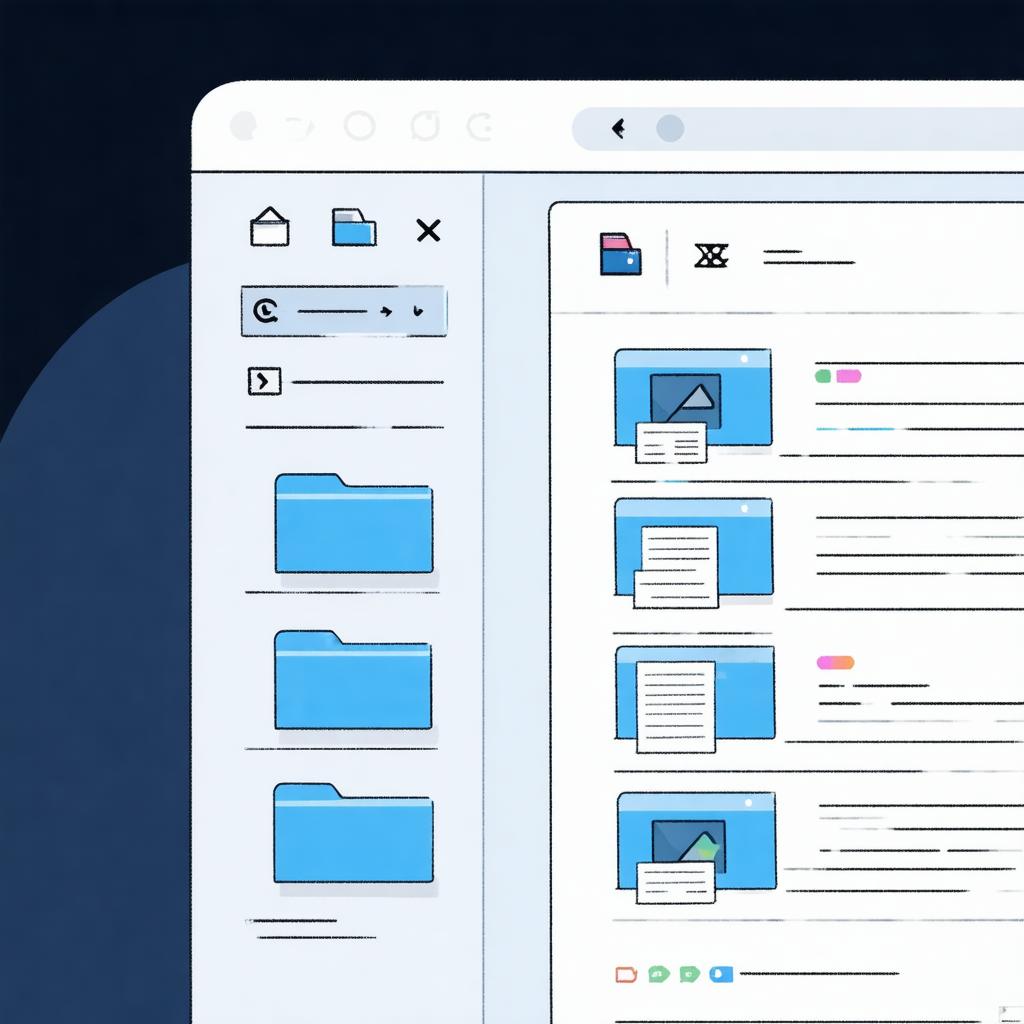
You can also create folder templates to organize your archives by project or date. At a glance, you find what you stored six months earlier, even without remembering the exact file name.
Comparison with Other Tools
| Tool | Complete Capture | Tags and Filters | Scheduling | Price |
|---|---|---|---|---|
| Archivebate | ✅ | ✅ | ✅ | Free / Premium |
| ❌ (text only) | ✅ | ❌ | Freemium | |
| Evernote Web Clipper | ✅ | ✅ | ❌ | Subscription |
| SingleFile | ✅ | ❌ | ❌ | Free |
Security and Privacy
Archivebate encrypts your archives when stored on the cloud and allows hosting on your own server via WebDAV. You retain control over your data and limit the risk of leaks. Capture logs are stored locally and can be deleted according to your privacy policy.
Are you ready to archive?
With Archivebate, you no longer fear the sudden disappearance of an article or an essential page. In just a few clicks, you build your digital library, ready to be consulted offline or shared with your collaborators. Don’t wait any longer: start your first capture and enjoy every snapshot of the web.
FAQ
1. Does Archivebate work on mobile?
The web version is responsive and accessible from a mobile device, but the browser extension remains limited to desktop computers. For smartphones, you can use the online interface or configure a redirect to your cloud.
2. How to automate the capture of a regularly updated site?
In the scheduling settings, add the target URL, choose the frequency (daily, weekly), and enable email or webhook notifications. Archivebate takes care of the rest.
3. Can I share my archives with a team?
Yes: by pointing the storage folder to a synchronized cloud share (Dropbox, Google Drive) or a WebDAV server, your colleagues instantly access the files.
4. Which output formats are supported?
By default, Archivebate offers a standalone HTML file. You can also export to PDF or MHT directly from the interface.
5. Is the tool free?
The basic version is free and covers most uses. For advanced features (multiple scheduling, extended API), a Premium subscription is available.
{
“@context”: “https://schema.org”,
“@type”: “Article”,
“headline”: “Archivebate: The Complete Guide to Easily Archiving Your Favorite Web Pages”,
“description”: “A detailed guide to installing, configuring, and mastering Archivebate to capture and organize your favorite web pages, with tips and comparisons.”,
“keywords”: [“Archivebate”, “archiving”, “web pages”, “guide”, “tool”],
“mainEntity”: {
“@type”: “FAQPage”,
“mainEntity”: [
{
“@type”: “Question”,
“name”: “Does Archivebate work on mobile?”,
“acceptedAnswer”: {
“@type”: “Answer”,
“text”: “The web version is responsive and accessible from a mobile device, but the browser extension remains limited to desktop computers. For smartphones, you can use the online interface or configure a redirect to your cloud.”
}
},
{
“@type”: “Question”,
“name”: “How to automate the capture of a regularly updated site?”,
“acceptedAnswer”: {
“@type”: “Answer”,
“text”: “In the scheduling settings, add the target URL, choose the frequency, and enable email or webhook notifications. Archivebate takes care of the rest.”
}
},
{
“@type”: “Question”,
“name”: “Can I share my archives with a team?”,
“acceptedAnswer”: {
“@type”: “Answer”,
“text”: “By pointing the storage folder to a synchronized cloud share or a WebDAV server, your colleagues instantly access the files.”
}
},
{
“@type”: “Question”,
“name”: “Which output formats are supported?”,
“acceptedAnswer”: {
“@type”: “Answer”,
“text”: “By default, Archivebate offers a standalone HTML file. You can also export to PDF or MHT directly from the interface.”
}
},
{
“@type”: “Question”,
“name”: “Is the tool free?”,
“acceptedAnswer”: {
“@type”: “Answer”,
“text”: “The basic version is free. For advanced features (multiple scheduling, extended API), a Premium subscription is available.”
}
}
]
}
}