Intro. With the Rokid Max 2, the Chinese brand refines its formula: micro-OLED Full HD panel at 120 Hz, field of view of about 50°, integrated diopter adjustment (0 to −6 D), electronic IPD and only 75 g on the scale. The ecosystem also progresses thanks to the Station 2 (Android TV/YodaOS-Master, 8 GB RAM, 128 GB, Wi-Fi 6, 5000 mAh battery, DRM/HDCP). Offered at $429 on promotion (public price $529), they clearly target Xreal, RayNeo, and Viture.

Somaire
Key takeaways (TL;DR)
- Display: micro-OLED, 1920×1080 px/eye (1920×1200 possible), 120 Hz, contrast 100,000:1, sRGB 106%, perceived brightness up to 600 nits, FOV ≈ 50° (16:10).
- Visual adjustments: continuous diopter 0 to −6 D, electronic IPD.
- Weight: 75 g, removable blackout cover.
- Ecosystem: USB-C/DP (Android, iPhone 15, PC/Mac, Steam Deck, Switch via adapter), HDCP supported (Netflix/Disney+).
- Station 2 (optional): Android TV/YodaOS-Master, 8 GB RAM / 128 GB, Wi-Fi 6, BT 5.2, 5000 mAh, 2D spatial interface.
- Retail price: $429 (promo −$100 on $529).
Context: why these glasses still interest the market
For two years, “screen-glasses” have been multiplying: Xreal, Viture, RayNeo, Rokid… All promise a portable giant screen for video, cloud gaming, and sometimes a bit of productivity. Rokid wants to differentiate itself by integrated optical correction (a real problem solved for nearsighted users), a rare 120 Hz refresh rate at this price, and a Station 2 box capable of offering an autonomous and DRM-certified interface.
Design & comfort: pragmatic and (relatively) light
Visually, the Max 2 remain close to large sunglasses. But everything is about ergonomics: continuous diopter adjustment (0 to −6 D) included, electronic IPD to align the screens, new more flexible temples, and an adjustable nose bridge. At 75 g, you can watch a movie without discomfort; for longer sessions, balancing remains crucial. The blackout cover increases contrast in broad daylight but removes the translucent AR aspect.
Image & rendering: Full HD 120 Hz, ultra-sharp center, edges could be improved
The technical sheet lines up the superlatives: micro-OLED Full HD per eye (with a 1920×1200 mode according to the source), 120 Hz, contrast 100,000:1, sRGB 106%, 600 nits perceptible. The 50° FOV offers a “virtual screen” up to 360″ at 10 m (or ~215″ at 6 m according to Rokid). In practice, most testers note excellent sharpness in the center but a narrow sweet spot: the edges lose some definition. Without the cover, ambient light harms the contrast.

Software & ecosystem: Station 2, the real differentiator?
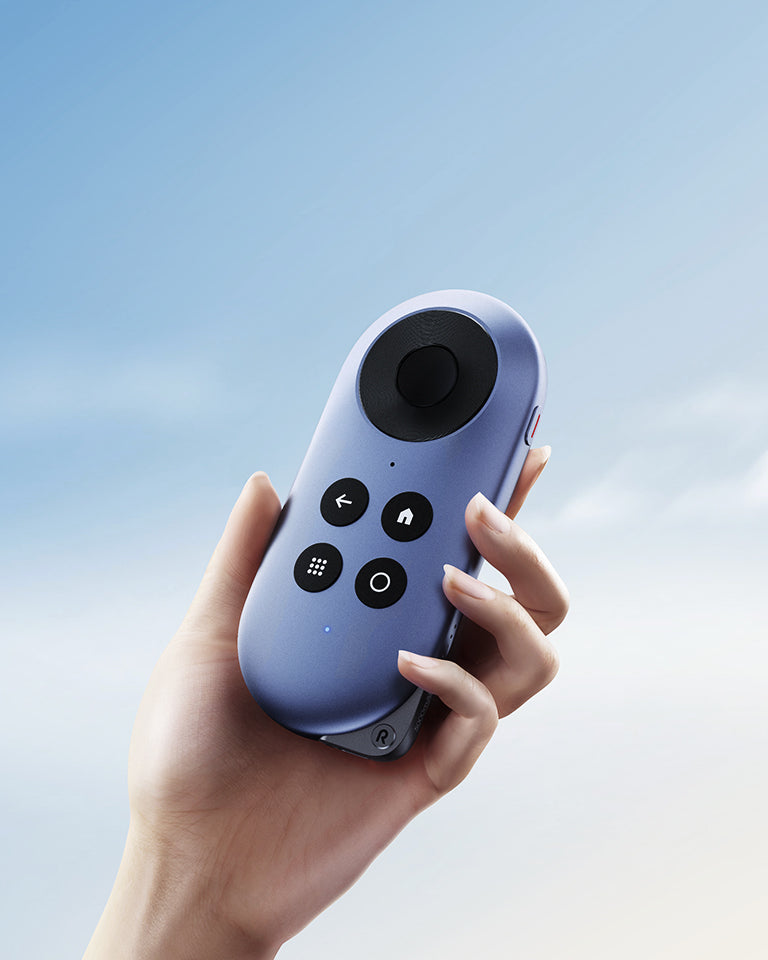
Connected to a smartphone/PC via USB-C DisplayPort, the Max 2 are just a giant monitor. The “spatial” experience comes with the Station 2: a mini Android TV/YodaOS-Master box (8 GB RAM / 128 GB, Wi-Fi 6, BT 5.2, 5000 mAh). It features a 2D multi-window desktop, a browser, streaming apps (HDCP certified for Netflix/Disney+), and a touch remote control. In other words: a standalone micro-computer for glasses. Without Station 2, productivity remains limited to viewing.
Real uses: personal cinema, discreet gaming, light nomadism
For video, the “personal dark room” effect works wonderfully: 21:9 movies on the plane, series in bed, YouTube on the couch. In video games, pairing with a Steam Deck or a Switch (via HDMI/USB-C adapter) is plug & play. For office work, reading, annotating, keeping an eye on Slack or a dashboard is fine; but writing a long report or handling a complex spreadsheet without keyboard/mouse remains tedious. The Max 2 are primarily excellent “cinema & gaming” glasses before being a workstation.
Competition & positioning: a specs / price / ecosystem match
Against the Xreal Air 2 / Air 2 Pro, RayNeo Air 3s, or Viture Luma Pro, Rokid counters with an aggressive price ($429), built-in optical correction, and the Station 2. Xreal bets on active electrochromism and its Beam Pro, Viture focuses on audio and design, RayNeo cuts prices. The choice will depend on your priorities: variable opacity, visual comfort, software ecosystem, or budget.
Strengths / Weaknesses
- We like: smooth (120 Hz) and bright image, integrated optical adjustments (diopter + IPD), wide compatibility & HDCP, affordable price, convincing Station 2.
- We like less: no native autonomy, peripheral blur, no electrochromism, average audio, productivity still limited without accessories.
Technical sheet (summary)
| Screen | Micro-OLED, 1920×1080/eye (1920×1200 possible), 120 Hz, sRGB 106 %, contrast 100,000:1 |
|---|---|
| FOV | 50° (16:10), virtual screen ~360″ at 10 m |
| Brightness | Up to 600 nits (6 levels) |
| Optical adjustments | Nearsightedness 0 to −6 D, electronic IPD |
| Weight | 75 g |
| Compatibility | USB-C/DP : Android, iPhone 15, PC/Mac, Steam Deck, Switch (adapter) |
| HDCP | Yes (Netflix, Disney+) |
| Price | $429 (promo −$100) / $529 retail price |
| Station 2 | Android TV/YodaOS-Master, 8 GB RAM / 128 GB, Wi-Fi 6, BT 5.2, 5000 mAh |
FAQ
Are the Rokid Max 2 4K?
No, it’s Full HD per eye (1920×1080). Some devices support 1920×1200.
Is the Station 2 absolutely necessary?
No for basic display, yes if you want a multi-window spatial desktop and Android apps under DRM.
Are they suitable for nearsighted people?
Yes, thanks to the built-in diopter adjustment from 0 to −6 D and electronic IPD.
Can I watch Netflix?
Yes, HDCP support is ensured (depending on the connected source).