
| Key Points | Details to Remember |
|---|---|
| 😊 Definition of Blockaway | Presents a site and app blocking tool to help improve focus. |
| 🚀 Main Benefits | Optimizes productivity by limiting digital distractions. |
| 🔧 Key Features | Offers time slots, site lists, and time reports. |
| 💰 Pricing | Compares free plans, monthly subscriptions, and lifetime licenses. |
| ⚙️ Performance | Evaluates the impact on system resources and execution speed. |
| 📱 Platforms | Supports Windows, macOS, Chrome, Firefox, and mobile according to the publisher. |
This comparison identifies five solutions capable of replacing Blockaway according to your needs: whether it’s advanced tracking, a clean interface, or a tight budget. Here you will find an overview of features, pricing, and performance to choose the ideal tool.
Somaire
What is Blockaway?
Blockaway is software designed to block access to certain sites or applications on a machine or network, in order to limit interruptions and enhance focus. It is aimed at both businesses and individuals seeking digital discipline.
Origin and Context
Initially developed for the educational sector, Blockaway has evolved towards professional and personal use. Its successive updates introduced detailed activity reports and advanced scheduling options.
Main Features
- Creation of blacklists and whitelists
- Scheduling by time or period
- Locking as a deadline approaches
- Usage statistics and inactivity reports
- Password protection to prevent deactivation
Comparison Criteria
Before exploring each alternative, here are the four analytical angles guiding this comparison:
- Features: variety of blocking options, reports, synchronization.
- Pricing: free options, monthly plans, lifetime licenses.
- Performance: CPU/memory consumption, interface responsiveness.
- Compatibility: supported operating systems and browsers.
Features
Each tool offers a different range of rules (sites, applications, regular expressions) and sometimes additional modules (Pomodoro timer, Slack integration).
Pricing
The solutions range from a free version with limited features to monthly subscriptions around 5 to 10 € per month, or lifetime licenses available from 20 €.
Performance and Reliability
An overly demanding blocker can harm the experience. We evaluate the system impact during intensive use and stability against bypass attempts.
Accessibility and Compatibility
The presence of browser extensions, mobile apps, and Windows/macOS clients facilitates deployment across a team or household.
Top 5 Alternatives to Blockaway
1. Freedom
Freedom focuses on simplicity: it blocks sites and apps with one click and syncs sessions across all your devices.
- Unlimited cross-device blocking
- Scheduled sessions and sequential blocks
- Usage reports and real-time status
Price: subscription at $6.99/month or lifetime license at $129. Performance: lightweight, under 3% CPU on average.
2. Cold Turkey
Cold Turkey stands out for its irreversible lock once started, ideal for determined procrastinators.
- “Frozen Turkey” mode with no pause possible
- Integrated Pomodoro timer
- Detailed statistics
Price: pro version at $39 one-time license. Performance: uses 5 to 7% CPU during heavy blocking.
3. StayFocusd
As a Chrome extension, StayFocusd limits your time on unwanted sites. Lightweight and open-source.
- Time quota per site
- “Nuclear” mode for immediate blocking
- Fine customization options
Price: free. Performance: almost no impact on the browser.
4. FocusMe
FocusMe combines app blocking, time tracking, and productivity analysis with very granular settings.
- Complex rules and regular expressions
- Reminders and notifications
- CSV export of reports
Price: $2.50/month or annual license at $29. Performance: about 4% CPU, well optimized.
5. LeechBlock NG
Firefox and Chrome extension, LeechBlock NG offers six independent blocks with schedules and site lists.
- 6 blocking profiles
- Countdown of remaining time
- Password protection
Price: free. Performance: minimal impact, very stable.
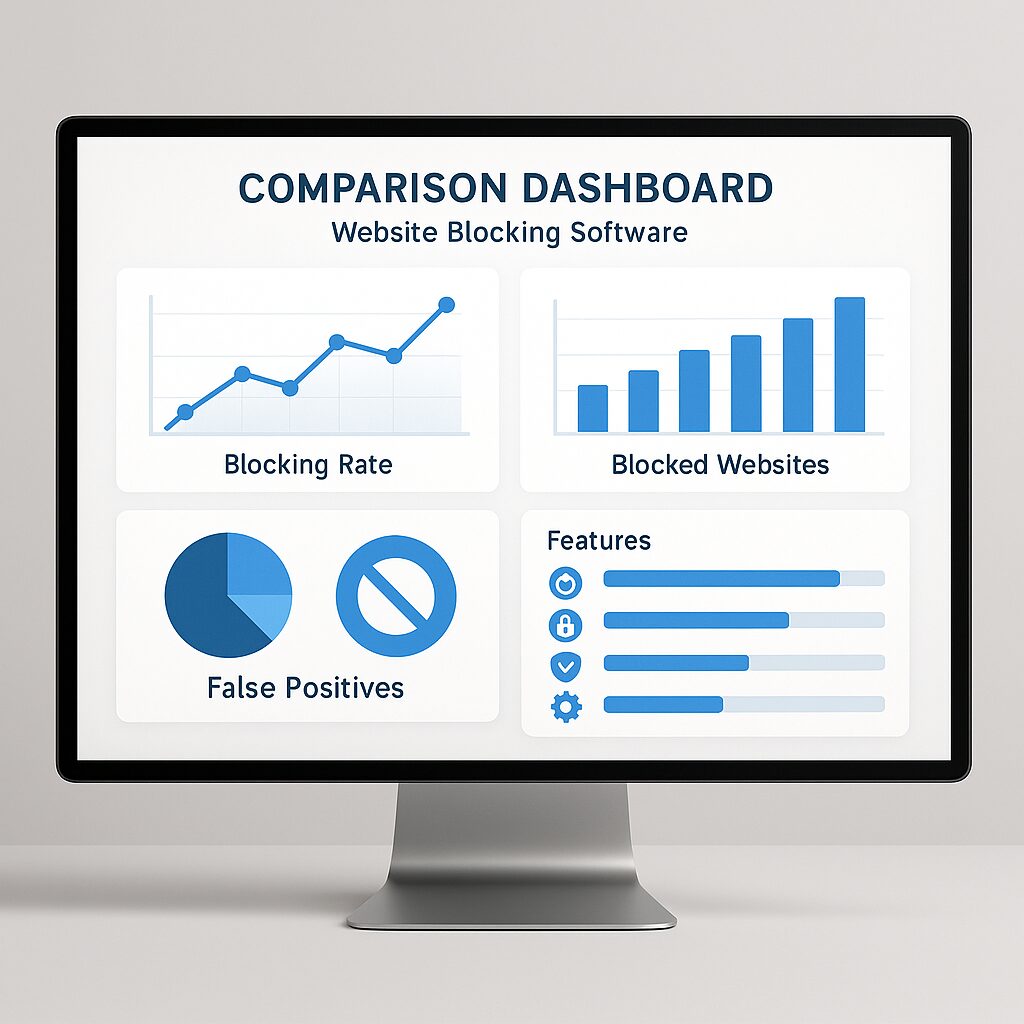
How to Choose the Ideal Alternative?
The best tool depends on your profile: student, freelancer, or manager. Here are some guidelines to help you.
- If you seek simplicity and multi-device use, opt for Freedom.
- For a lock with no going back, Cold Turkey will be unbeatable.
- Limited budgets will find in StayFocusd and LeechBlock NG free and robust options.
- If you need comprehensive reports, prioritize FocusMe.
Outlook and Recommendations
Whatever your choice, test the trial period or free version to ensure the interface and options match your work style. Regular commitment to a blocking routine strengthens your discipline and can transform your relationship with time.
Key Takeaways:
- Blockaway focuses on simple locking and scheduling.
- Freedom and Cold Turkey offer comprehensive plans for cross-device use.
- StayFocusd and LeechBlock NG represent excellent free choices.
- FocusMe stands out for its advanced reports and granularity.
FAQ
What really differentiates Cold Turkey from Blockaway?
Cold Turkey forbids any deactivation during the session, whereas Blockaway allows pauses under conditions.
Can I use a free blocker like StayFocusd to replace Blockaway?
Yes: StayFocusd covers the essentials on Chrome, but without multi-device features or detailed reports.
What impact on system resources should I expect?
Extensions (StayFocusd, LeechBlock NG) have a negligible impact, while dedicated applications (Cold Turkey, FocusMe) can use 4–7% of CPU.
Are trial versions sufficient to form an opinion?
Generally, free or demo versions allow you to test the main functions before subscribing.
Are there solutions for mobile?
Freedom offers iOS and Android apps, while Cold Turkey remains reserved for computers.
How to schedule my blocking sessions to avoid any interruption?
Choose time blocks adapted to your work periods, balancing concentration needs and necessary breaks.