
| Key points | Details to remember |
|---|---|
| 📖 Definition | Cemantix is a semantic optimization tool dedicated to SEO. |
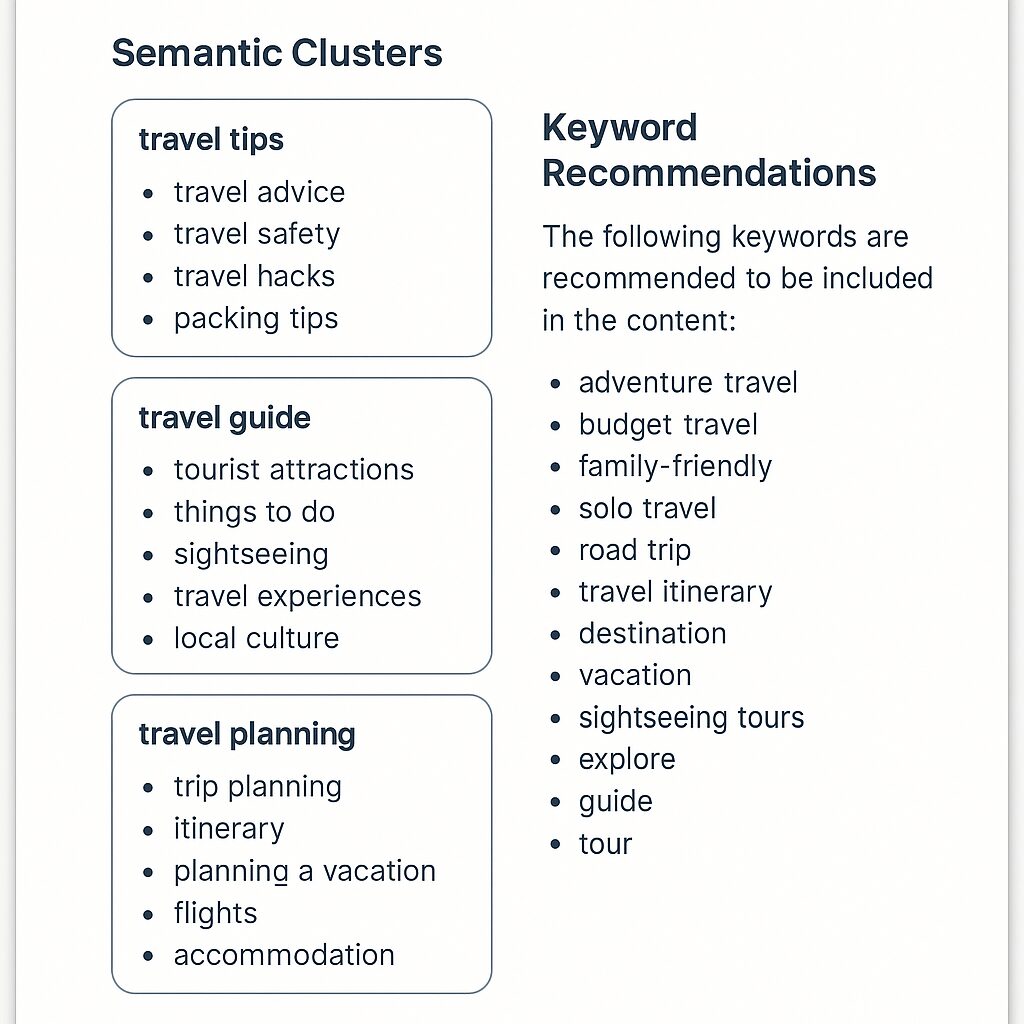
| ⚙️ How it works | It uses natural language processing to propose semantic clusters. |
| 🎯 Key benefits | Increase in relevance and organic traffic thanks to targeted recommendations. |
| ❓ Limitations | Can generate over-optimization if misused. |
| 🔄 Alternatives | Comparable to Ubersuggest or Twixify for content analysis. |
| 🛠️ Use cases | Ideal for structuring a blog or launching a new e-commerce site. |
Cemantix presents itself as a real lever to enrich the semantic dimension of your content and improve its visibility. At first glance, it offers keyword and cluster suggestions that seem to match Google’s expectations; however, it is not as simple as ticking boxes. The analysis reveals interesting strengths but also pitfalls that are better known before committing.
Somaire
What is Cemantix?
Cemantix is based on the idea that optimization is not limited to classic keywords but must rely on understanding the context and the semantic richness of a text. Its core business combines statistical corpus analysis and AI to evaluate thematic density and propose improvement directions.
Main features
- Automatic generation of semantic clusters to organize your pages into clusters.
- Exploration of search intents thanks to a database of expressions extracted from forums and blogs.
- Suggestions of related terms to enrich your content and cover all facets of a topic.
- Detailed reports on density and co-presence of keywords.

Main strengths and limitations
To assess whether Cemantix is a true revolution, one must weigh its benefits against its weaknesses.
| Strengths | Limitations |
|---|---|
|
|
Comparison with other tools
The SEO ecosystem is full of solutions; Cemantix positions itself against established players like Ubersuggest, for which you will find a detailed analysis of key features, or like Twixify, specialized in content optimization using a different methodology.
- Ubersuggest focuses on keyword volume and competitiveness, whereas Cemantix digs into semantic links.
- Twixify helps rewrite and smooth texts, while Cemantix offers a semantic mapping.
- Regarding Trust Flow and backlinks, other solutions like those listed in our comparison eReferer vs Linkuma remain essential.
Concrete use cases
Several scenarios illustrate the interest of Cemantix:
- Redesign of a professional blog: creation of semantic silos for each major theme.
- E-commerce site: optimization of product pages by integrating frequently asked questions found in suggestions.
- Writing practical guides: prioritization of long-tail keywords to capture more qualified traffic.
Key takeaways
- Cemantix brings a deep semantic dimension, rarely seen in traditional tools.
- The recommendations are solid but require a human eye to avoid over-optimization.
- To be combined with backlink and user experience tools for a complete SEO strategy.
- Positions itself as a complement to existing solutions, not as a replacement.
FAQ
1. Is Cemantix suitable for SEO beginners?
Yes, its clear interface and visual reports guide step by step, even without technical experience.
2. Can it be used to optimize a multilingual site?
Currently, the analysis is mainly focused on French and English, but improvements are underway for other languages.
3. What is the difference between Cemantix and Twixify?
Twixify rewrites and optimizes fluency, whereas Cemantix structures your content semantically.
4. Is NLP expertise required to use Cemantix?
No, the results are presented visually; a basic understanding of SEO is sufficient.
5. How to avoid over-optimization with Cemantix?
Always mix semantic recommendations with your own writing and check readability with dedicated tools.
{
“@context”: “https://schema.org”,
“@type”: “WebPage”,
“about”: {
“@type”: “Thing”,
“name”: “Semantic SEO Optimization with Cemantix”
},
“keywords”: [“Cemantix”, “Semantic SEO”, “semantic cocoons”, “content optimization”, “NLP analysis”]
}
{
“@context”: “https://schema.org”,
“@type”: “Article”,
“headline”: “Cemantix solution: SEO revolution or just a fad?”,
“description”: “Critical study of Cemantix, a semantic optimization tool for SEO, describing its strengths, weaknesses, and positioning compared to alternatives.”,
“keywords”: [“Cemantix”, “Semantic SEO”, “content analysis”],
“mainEntity”: {
“@type”: “FAQPage”,
“mainEntity”: [
{
“@type”: “Question”,
“name”: “Is Cemantix suitable for SEO beginners?”,
“acceptedAnswer”: {
“@type”: “Answer”,
“text”: “Yes, its clear interface and visual reports guide step by step, even without technical experience.”
}
},
{
“@type”: “Question”,
“name”: “Can it be used to optimize a multilingual site?”,
“acceptedAnswer”: {
“@type”: “Answer”,
“text”: “Currently, the analysis is mainly focused on French and English, but improvements are underway for other languages.”
}
},
{
“@type”: “Question”,
“name”: “What is the difference between Cemantix and Twixify?”,
“acceptedAnswer”: {
“@type”: “Answer”,
“text”: “Twixify rewrites and optimizes fluency, whereas Cemantix structures your content semantically.”
}
},
{
“@type”: “Question”,
“name”: “Is NLP expertise required to use Cemantix?”,
“acceptedAnswer”: {
“@type”: “Answer”,
“text”: “No, the results are presented visually; a basic understanding of SEO is sufficient.”
}
},
{
“@type”: “Question”,
“name”: “How to avoid over-optimization with Cemantix?”,
“acceptedAnswer”: {
“@type”: “Answer”,
“text”: “Always mix semantic recommendations with your own writing and check readability with dedicated tools.”
}
}
]
}
}