
| Key Points | Details to Remember |
|---|---|
| 🔍 Definition | Understand the concept of blacklist |
| 📱 Reasons | Identify why your device is blocked |
| 🛠️ Free apps | Evaluate their actual functioning |
| ⚠️ Risks | Know the limitations and dangers |
| 💼 Alternatives | Compare with paid solutions |
| 📊 Results | Measure effectiveness before acting |
You found a smartphone at a bargain price… but surprise: it refuses any network, even after several SIM cards. Behind this blockage is often an entry on the infamous “blacklist.” On the web, free apps promise instant unlocking. Should you believe it? We scrutinize these tools, analyzing their mechanisms, strengths, and the shadows they hide.
Somaire
What is a phone blacklist?
When your device appears on a blacklist, operators prohibit its access to GSM networks. This list, shared across several countries, is used to limit fraud and illicit resale. For the user, it is a technological wall: impossible to call, send SMS, or surf on 4G.
Registration mechanism
As soon as an IMEI number is reported (theft, loss, or unpaid bills), the operator sends the information to a shared database. Each new connection attempt triggers an instant check: if the IMEI is on the blacklist, the session is cut off.
Consequences for the user
Beyond the simple inability to make calls, the blacklist also prevents roaming abroad. Emergency services may sometimes remain accessible but, in practice, everyday use becomes almost nonexistent. This measure, often perceived as harsh, aims to deter massive theft of devices.
Why can a phone be blacklisted?
Several scenarios lead to an entry on the blacklist:
- Theft or loss reported to the operator
- Unpaid bills or financial disputes
- Purchase from unscrupulous platforms
- Deliberate blocking in case of proven fraud
Whatever the context, the process aims to protect both the consumer and the mobile ecosystem.
Free Unlocking Apps: Myth or Reality?
These apps are flourishing on alternative stores. They promise a gradual lifting of the block in just a few clicks. Behind this simplistic discourse, what do we really find?
How It Works
Most of these tools rely on two approaches:
- Emulation and local reprogramming of the IMEI (illegal and unstable practice)
- Redirection to third-party servers claiming to “clean” the blacklist database
In both cases, the user is often invited to activate developer mode, connect a USB cable, then run an automated script. In the background, it is unclear whether the IMEI is actually modified or if the app only displays a fake success message.
Examples of Popular Applications
- FreeIMEIReset: minimalist interface, many mixed reviews
- UnlockMaster: demands extensive permissions without guarantees
- IMEIFix Lite: relies on an uncertified server, risk of data leaks
These names circulate online, often accompanied by enthusiastic but unreliable reviews. Overall, no documented case proves a permanent and legal unlocking.
Limits and Risks
“A free app does not pay for its servers: if the service claims to unlock for free, it is your data that becomes the currency.”
- Infection by malware or cloaking (illegitimate caches)
- Leaks of personal information (contacts, history, location)
- Irreversible blocks in case of error
In truth, every attempt to hack the IMEI can leave a heavier trace, permanently condemning the device.
Methodology for Testing a Free App
Before blindly launching an unlocking, here are some key steps:
- Verify the APK source (read reviews, explore specialized forums)
- Make a complete backup of the system and data
- Activate an antivirus or sandbox to isolate the test
- Use a test device, never your main phone
- Compare the original IMEI and the final IMEI – a simple “OK” is not proof
This set of precautions limits the danger, but does not eliminate the lack of guarantee.
Professional Alternatives and Comparison
If free sounds like an advantage, quality often comes at a price. Paid services and operator procedures remain the most reliable solutions.
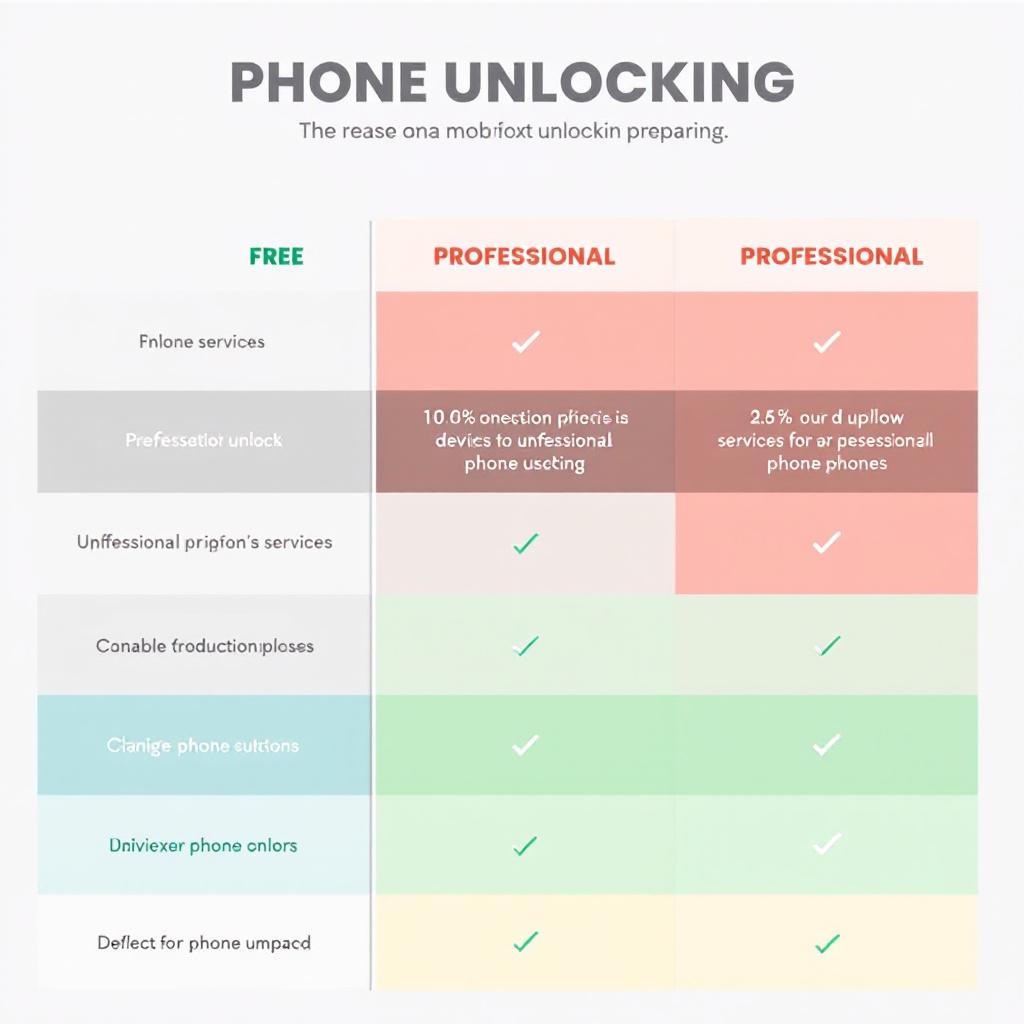
| Service Type | Delay | Approximate Cost | Reliability |
|---|---|---|---|
| Free Applications | Variable | €0 | Low to moderate |
| Paid Online Services | 24–72 h | €5–30 | High |
| Official Operators | 3–10 days | Free to €10 | Very high |
Summary of Key Points
- The blacklist truly blocks all connections: not just a simple software bug.
- Free apps often rely on dubious, unsustainable tricks.
- Risks include data loss, malware, and permanent blocks.
- Paid services and operators remain the safest path for guaranteed unlocking.
FAQ
How to check if my phone is blacklisted?
Enter your IMEI on a reliable verification site or contact your operator directly.
Can a free app work without risk?
It is impossible to guarantee lasting success: tests mostly show failures or increased blocks.
Is unlocking via the operator free?
Most offer a free or moderately priced service if you have fulfilled your commitments.
What to do if I have already attempted illegal unlocking?
Immediately back up your data and contact an authorized center: they can sometimes restore the original IMEI.
Is there a legal and free way?
Yes, through the original operator, provided you comply with contractual clauses and settle any outstanding bills.