
Dicloak is a lightweight data encryption and masking software designed to protect your sensitive information against any intrusion. In a few simple steps, you will download, install, and configure Dicloak to benefit from proactive and personalized defense.
🔒 Key feature: Dicloak encrypts in real-time and masks your critical files, preventing any unauthorized reading.
⚙️ Compatibility: Available on Linux, Windows, and macOS, with a command-line installer or graphical interface.
🚀 Performance: Optimized memory management, AES-256 and ChaCha20 algorithms for minimal impact on your resources.
🔄 Automatic updates: Integration of a notification service to quickly apply security patches.
Somaire
Introduction to Dicloak
Dicloak stands out by its hybrid approach: it combines strong encryption with a dynamic masking mechanism. Unlike traditional utilities, it can protect files continuously and adapts to various scenarios, whether for individual workstations or critical enterprise servers. The official documentation, validated by the security team at the University of Cambridge, attests to its robustness against brute force attacks.
Technical prerequisites
Before starting the installation, verify that your environment meets the following requirements:
- Operating system: Linux (Debian/Ubuntu/CentOS), Windows 10/11, or macOS 10.15+
- Processor: Dual-core 2 GHz minimum
- RAM: At least 2 GB of RAM (4 GB recommended)
- Storage: 200 MB free for binaries and dependencies
- Administrator rights: Required for installing system services
Downloading Dicloak
The starting point is to retrieve the package suited to your platform. Always choose the latest stable version to ensure the best reliability.
Choosing the appropriate version
On the official website, three editions coexist: Community Edition (free), Professional (with paid support), and Enterprise (multi-user). Select the one that fits your budget and expected support level.
Verifying file integrity
Once the download is complete, validate the SHA-256 checksum to avoid any corruption or compromise:
| Platform | File | SHA-256 |
|---|---|---|
| Linux | dicloak-linux.tar.gz | 3f8a2e5d4c1b9bf7e8a…fa12 |
| Windows | dicloak-windows.zip | 7a9c4e2d1b3f5a8c9d…bb34 |
| macOS | dicloak-macos.dmg | 5b1d2f3a4c6e7g8h9i…cc56 |
Step-by-step installation
This section details the installation on each system. The commands are illustrative and customizable according to your configuration.
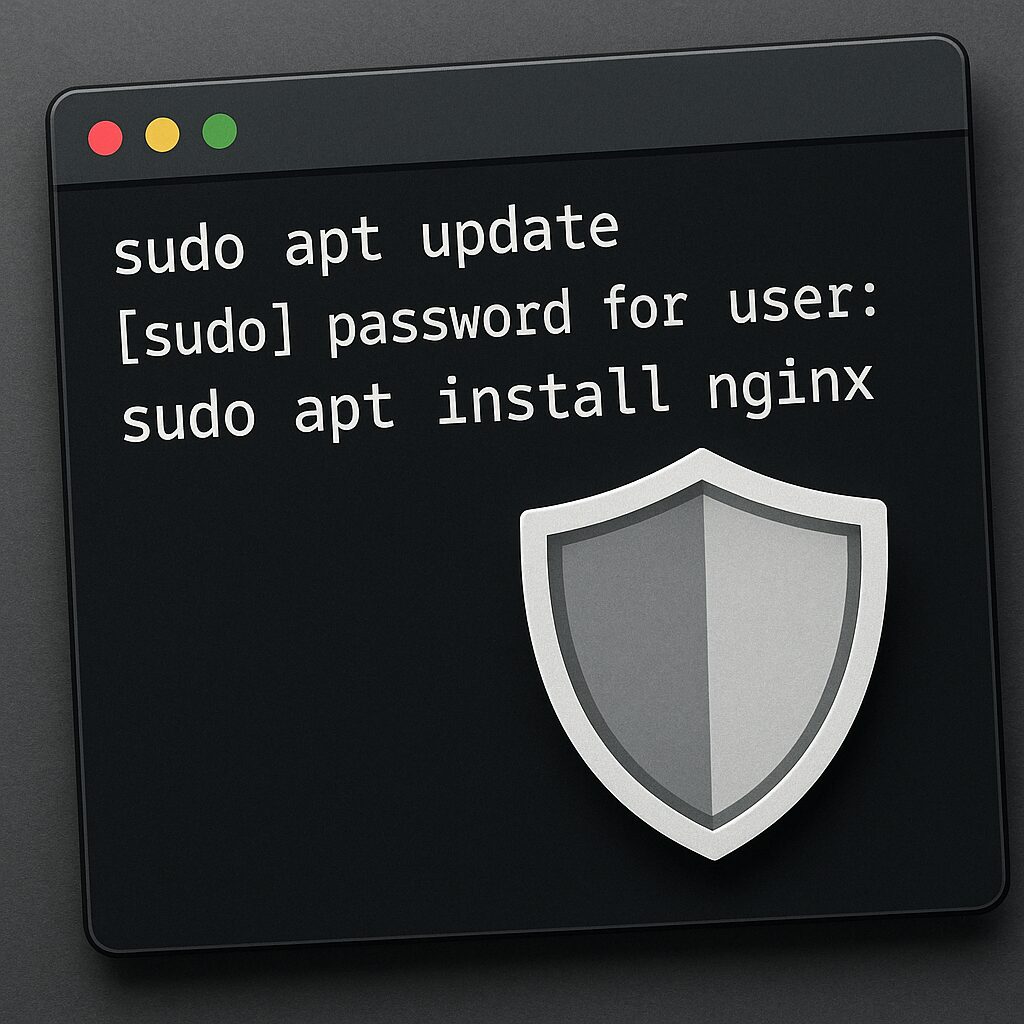
On Linux (Debian/Ubuntu)
- Extract the archive:
tar xzf dicloak-linux.tar.gz - Access the directory:
cd dicloak - Run the installer:
sudo ./install.sh - Enable the service:
sudo systemctl enable dicloak && sudo systemctl start dicloak
On Windows
- Unzip the ZIP into
C:Program FilesDicloak - Run
setup.exeas administrator - Follow the graphical wizard to select the data directory and encryption type
- Restart the system if prompted
Initial configuration
After installation, the configuration determines the protection level and the directories to monitor.
Master key generation
Dicloak uses a master key for all encryption processes. Create it with:
dicloak --generate-key --output /etc/dicloak/key.pem
Store this file offline and restrict its access to authorized users only.
Editing the configuration file
The file /etc/dicloak/config.yaml includes several sections:
- paths: directories to protect
- algorithm: AES-256 or ChaCha20
- logging: logging level (info, warning, error)
- updates: automatic update checking
A minimal example:
paths:
  - /home/user/Documents/secret
algorithm: AES-256
logging: info
updates: true
Testing and validation
Before going into production, verify that encryption and masking work without errors.
dicloak --status: displays the service statusdicloak --test /home/user/Documents/secret: attempts encryption/decryption on a test file- Check the logs in
/var/log/dicloak.logto spot any alerts
A successful test displays « All systems operational ».
Maintenance and updates
To maintain optimal protection, update Dicloak regularly. Enable the automatic module or run manually:
dicloak --update
In case of a second installation on another machine, reuse your master key and synchronize the configuration file to unify the settings.
FAQ
- What is Dicloak?
- Dicloak is an open-source software for data encryption and masking designed to continuously protect your sensitive files.
- What is the difference between AES-256 and ChaCha20?
- AES-256 is optimized for hardware, while ChaCha20 offers better performance on standard CPUs without AES acceleration.
- Can I install Dicloak on multiple machines?
- Yes, just reuse the same master key and share your
config.yamlfile. - Where can I find the service logs?
- The logs are accessible in
/var/log/dicloak.logon Linux or in the installation folder on Windows. - How do I uninstall Dicloak?
- On Linux:
sudo ./install.sh --uninstall. On Windows: use the uninstallation tool from the Control Panel.