
| Key Points | Details to Remember |
|---|---|
| 🔎 Definition of Blacklisting | Blocking of the IMEI preventing any network connection. |
| 🚫 Common Reasons | Theft, unpaid bills, or user reporting. |
| 🔑 Unlocking Methods | Carrier, third-party services, or DIY procedures. |
| ⏳ Timeframes and Costs | From a few days to several weeks, variable pricing. |
| 💡 Precautions | Verify the legality and reputation of the provider. |
| 🔧 Tools and Resources | IMEI sites, forums, and specialized software. |
In 2025, flashing a smartphone listed on a blacklist can sometimes be a headache. However, whether it’s a poorly informed second-hand purchase or a simple missed payment, you can unlock your device. This guide aims to clear up the gray areas, detail each approach, and highlight pitfalls to avoid. We share experience, concrete comparisons, and practical advice to help you take back control of your phone.
Somaire
Understanding Phone Blacklisting
Origin and Mechanisms of IMEI Blocking
When a smartphone changes status to become “blacklisted,” its IMEI number is entered into a database shared by carriers. Originally, this system aims to combat theft: a device reported as stolen or lost is barred from networks, making its use almost impossible. But there are also lesser-known blacklists related to unpaid bills or breached contractual agreements.
Consequences for the User
A blacklisted phone only works on Wi-Fi. It is impossible to make calls, send SMS, or access 4G/5G. You keep the screen, camera, and offline apps, but the core connectivity disappears. Some manufacturers, like Apple or Samsung, have even integrated visual alerts to inform the user as soon as the device is powered on.
Check Your Phone’s Status
Before any procedure, confirm that your device is truly blacklisted. A simple misjudgment can lead to unnecessary expenses.
- Note the IMEI: dial *#06# on the keypad to display it.
- Use a free or paid IMEI checking site to get the network status.
- Contact your current carrier: an official response is better than any third-party test.
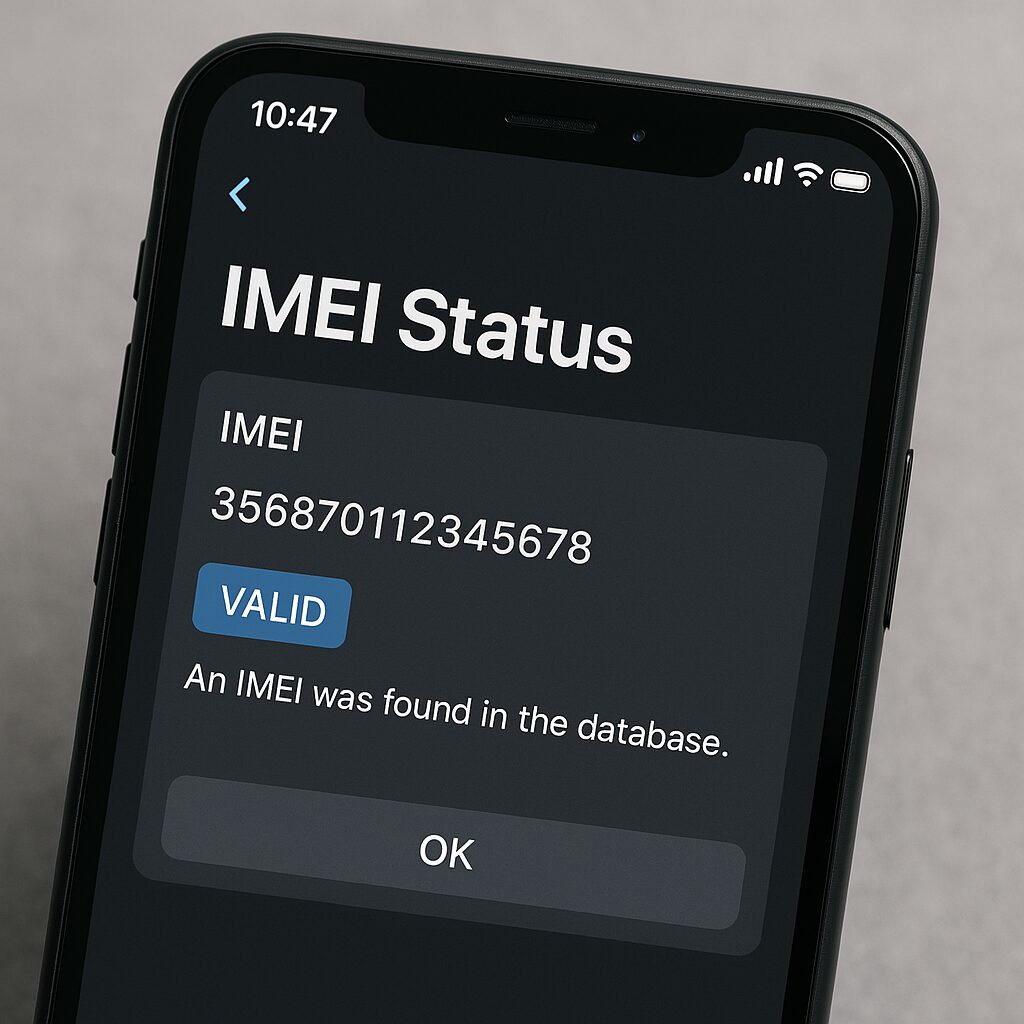
Some online services provide a detailed report including the country and the date of blacklisting. This increases transparency, especially if the device’s history is unclear.
Unlocking Methods
1. Official unlocking via operator
The usual process starts with the operator who blacklisted your smartphone. You submit a request, provide proof of purchase and IMEI number, then wait for approval. The process can take from a few days to several weeks depending on internal policy and the country. Major advantage: reliability and legal security.
2. Using paid third-party services
At the same time, the market is full of private providers who promise quick unlocking for a few tens to a few hundred euros. Quality varies greatly: some use official gateways, others rely on network interception techniques or firmware alteration. Before paying, check user feedback and demand a money-back guarantee.
3. DIY solutions for skilled tinkerers
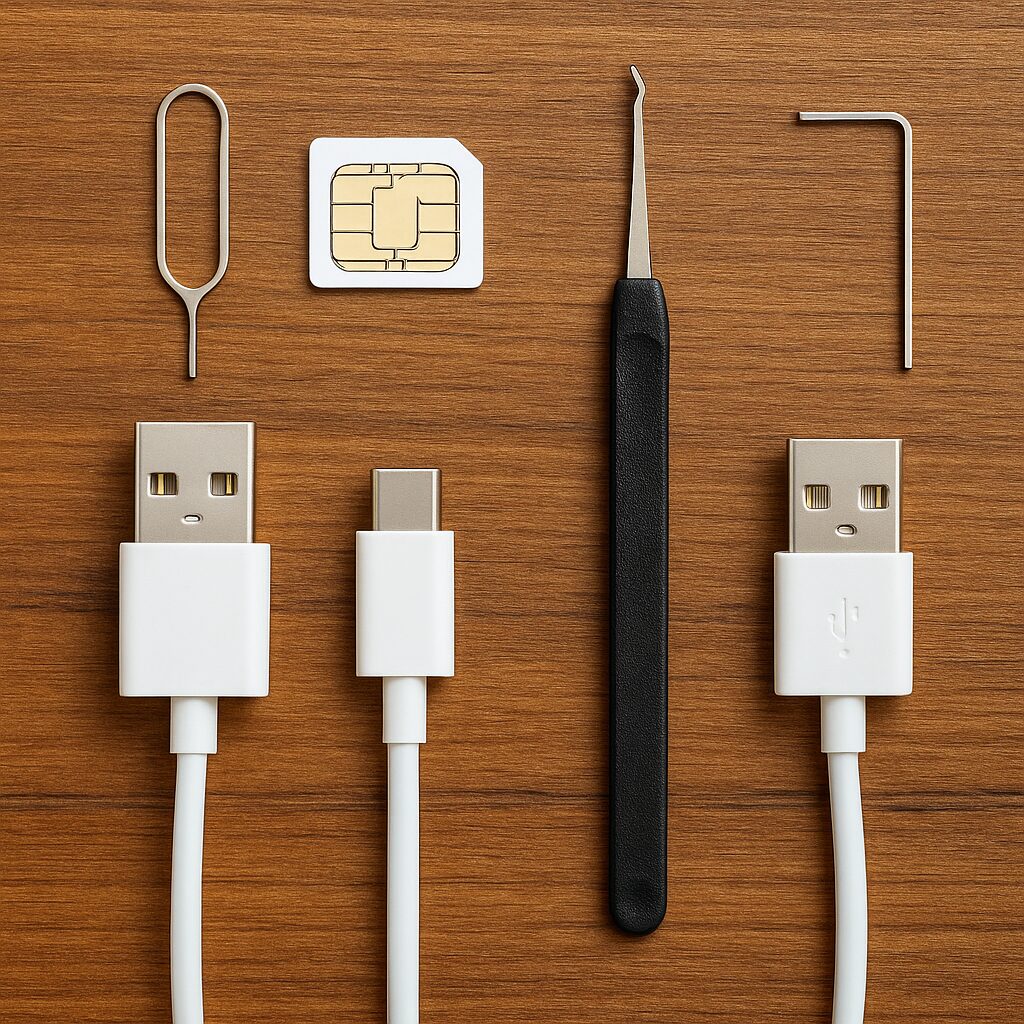
For those comfortable with IT tools, tutorials sometimes detail procedures for flashing or reprogramming the SIM card. These may involve software exploits or hardware boxes. However, the risk is high: loss of warranty, bricking the phone, or breaking the law depending on your country. This path remains reserved for technically skilled profiles.
Precautions and limits to know
Each of the mentioned methods comes with its constraints:
- Operator: often moderate costs, but potentially long delays.
- Third-party services: speed, but uneven reliability and lack of clear legal framework.
- DIY: apparent savings, but high risk of rendering the device unusable.
Starting without information is taking the risk of turning a smartphone into a simple paperweight.
At the same time, be sure to keep all proof of purchase and check local legislation: in some countries, unlocking a blacklisted device yourself without explicit permission can be considered a crime.
Average costs and estimated delays
To give you an idea before deciding:
| Solution | Average cost | Delay |
|---|---|---|
| Operator | €20–60 | 3–14 days |
| Third-party service | €30–120 | 1–7 days |
| DIY procedure | Free to €50 (boxes) | Variable (risk of going back to square one) |
FAQ – Your most frequent questions
Can a blacklisted phone be unlocked in France without going through the operator?
Yes, but you risk bypassing official locks. Third-party services often offer this option, but their reliability remains variable and their legality sometimes borderline.
How long does it take for an operator to unlock an IMEI?
Generally between 3 and 14 business days, depending on internal policy and volume of requests. In some cases, delays may be extended due to verification of the device’s origin.
Can DIY unlocking permanently damage my phone?
Absolutely. If you use incompatible firmware or an uncertified box, you risk bricking your smartphone, making any later repair attempts very complex.
What is the fairest price for an unlocking service?
For a reliable result, expect to pay between 30 and 60 €. Beyond that, beware of excessive prices, and below that, be cautious about the guarantees offered.
Can a blacklisted phone be resold after unlocking?
Yes, once the IMEI is removed from the blacklist, the device regains its full market value and can be resold like a regular unlocked model.